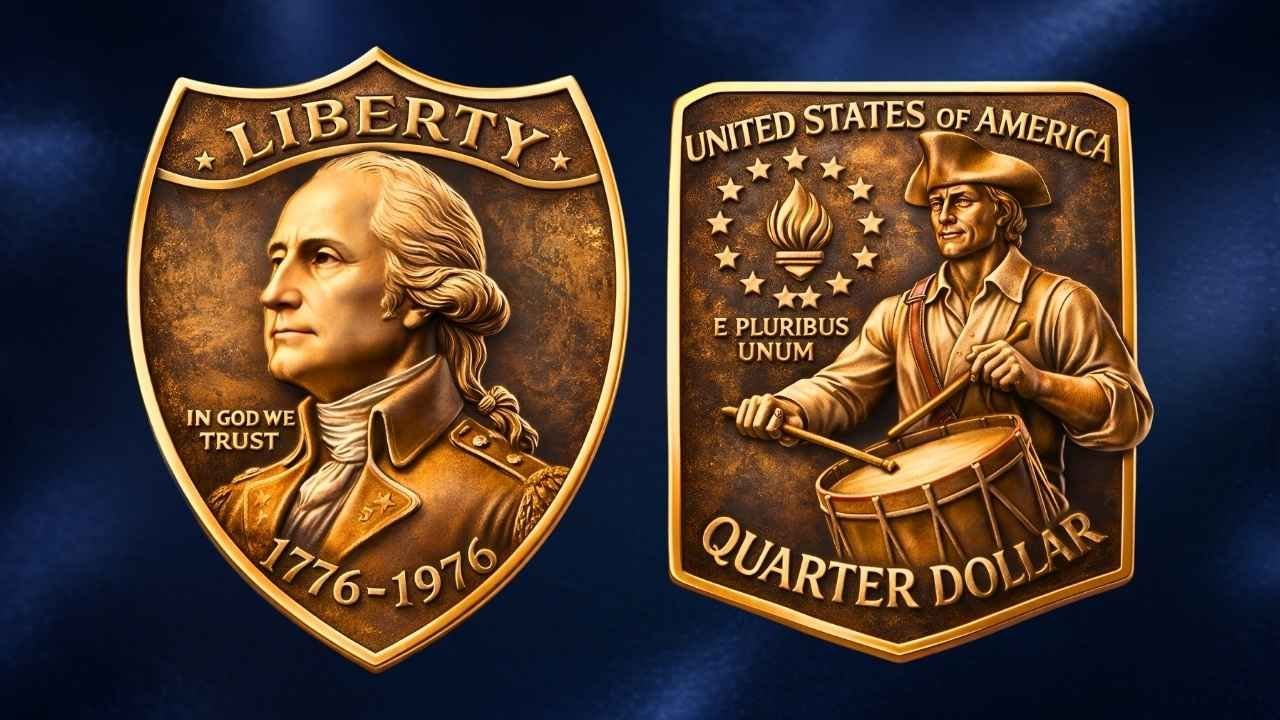
Could a 1776–1976 Bicentennial Quarter really be worth $85,000? Viral headlines and online auctions have sparked a nationwide coin hunt, with collectors and everyday Americans checking drawers, jars, and old collections for this historic quarter.
The truth is more nuanced. While most Bicentennial Quarters are worth just 25 cents, a small number of rare error coins and high-grade silver versions have sold for impressive amounts.
Here’s what you need to know before assuming you’ve struck gold.
Why the Bicentennial Quarter Is Special
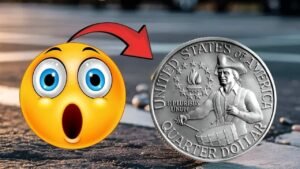
The 1776–1976 Bicentennial Quarter was released to celebrate America’s 200th birthday. Instead of the usual reverse design, it features:
- A Colonial drummer
- A torch surrounded by 13 stars
- The dual date “1776–1976”
The obverse still shows George Washington, but the special dual date makes it instantly recognizable.
Because it commemorates a historic event, many people saved these coins as keepsakes. However, rarity depends on much more than nostalgia.
Massive Mintage – But Rare Exceptions
More than 1.6 billion Bicentennial Quarters were produced by the United States Mint. With such high production numbers, most are extremely common.
So how can one be worth thousands?
It comes down to:
- Rare mint errors
- Silver composition
- Ultra-high condition
- Certified grading
Only coins that check one or more of these boxes can command serious premiums.
Hidden Mint Errors That Drive Big Prices
Doubled Die Varieties
Some Bicentennial Quarters show noticeable doubling in letters or numbers due to die misalignment during production. Strong doubling can significantly raise value.
Off-Center Strikes
If the design appears shifted or incomplete, the coin may have been struck off-center. Dramatic examples are highly collectible.
Clipped Planchets & Die Cracks
Coins missing small portions of metal or showing bold die cracks can attract strong bidding if verified.
Error coins are scarce by nature. When authenticated and graded in high condition, they can reach impressive auction prices.
Silver Bicentennial Quarters Are More Valuable
Not all Bicentennial Quarters are made from standard copper-nickel clad metal.
The San Francisco Mint produced special 40% silver versions, primarily for collector sets.
How to Identify Silver Versions:
- Look for an “S” mint mark
- Check the edge (silver coins lack the copper stripe)
- Weigh the coin (silver versions are slightly heavier)
Silver coins in pristine condition carry higher premiums than regular circulation strikes.
Condition Makes a Huge Difference
Condition is critical in determining value.
A worn quarter with scratches and dull surfaces will remain worth face value. But coins graded at MS67 or higher can be dramatically more valuable.
Professional grading services examine:
- Surface preservation
- Luster
- Strike sharpness
- Eye appeal
The difference between average and near-perfect condition can mean thousands of dollars.
Mint Marks Matter
Check beneath the date for the mint mark:
- No mint mark = Philadelphia
- D = Denver
- S = San Francisco (often proof or silver)
Proof coins from San Francisco have mirror-like finishes and sharp detail. Rare proof errors can be particularly valuable.
Quick Value Overview
| Type | Typical Value |
|---|---|
| Circulated Clad | $0.25 |
| Uncirculated Clad | $1–$5 |
| 40% Silver (uncirculated) | $5–$15+ |
| Verified Major Error | Hundreds to thousands |
| Ultra-High Grade Error | Potentially much higher |
The $85,000 headline likely refers to an extremely rare, certified error coin in top condition—not an average example.
FAQs About the 1776–1976 Quarter
1. Is every Bicentennial Quarter valuable?
No. Most are common and worth face value unless they have rare errors or silver content.
2. How do I know if mine is silver?
Check for an “S” mint mark and a solid silver-colored edge without a copper stripe.
3. What is the rarest Bicentennial Quarter?
High-grade error coins and certain proof silver varieties are the most valuable.
4. Should I clean my quarter?
No. Cleaning damages the surface and reduces value.
5. Where can I verify my coin?
Consult a reputable coin dealer or professional grading service for authentication.
Final Verdict: Hype or Hidden Treasure?
The 1776–1976 Bicentennial Quarter is a historic and collectible coin—but only rare error versions and high-grade silver examples reach extraordinary prices.
Most remain worth 25 cents. However, checking your coins carefully costs nothing—and rare finds do happen.
Before spending that Bicentennial Quarter, take a closer look. A small detail could make a big difference.