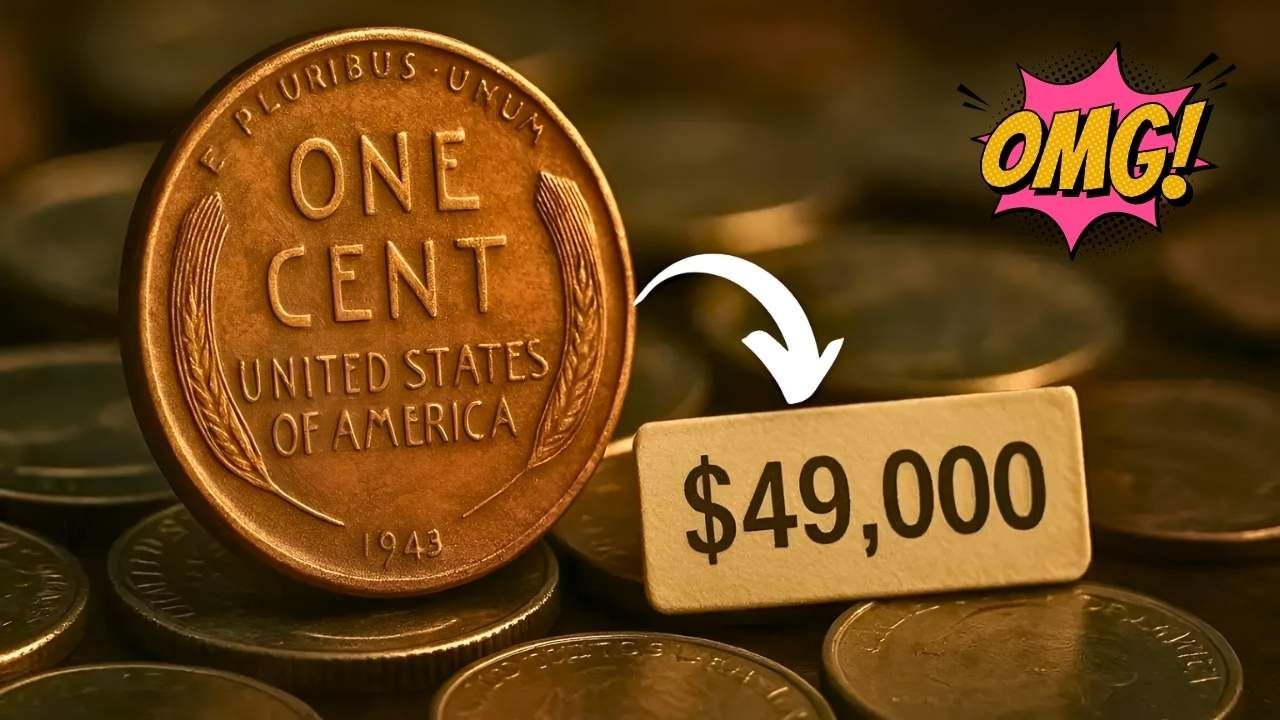
The Lincoln Wheat Penny is one of the most collected U.S. coins ever made. Struck from 1909 to 1958, these small copper cents can be worth far more than one cent—sometimes thousands of dollars. While many are common, certain dates, mint marks, and error coins command serious premiums.
Here’s a clear, updated guide to help you understand Lincoln Wheat Penny values by year and condition—without the confusion.
A Historic Coin That Started in 1909
The Wheat Penny debuted in 1909 to honor the 100th birthday of Abraham Lincoln. Designed by Victor David Brenner, it was the first regular U.S. coin to feature a real historical figure.
Key First-Year Rarity
1909-S VDB
- Minted in San Francisco with designer initials on the reverse
- Circulated: $700–$1,500
- Mint State: $3,000+
This is one of the most famous key dates in American numismatics.
Early Key Dates (1910–1920)
Several early issues are scarce and highly collectible.
1914-D
- Circulated: $200–$400
- Extremely Fine: $1,000+
1922-D (No Philadelphia Issue)
- Only Denver minted pennies that year
- High-grade examples: Several thousand dollars
These early dates are essential for serious collectors building a complete set.
Great Depression Scarcity (Late 1920s–1930s)
Lower mintages during economic hardship mean fewer coins survived in high grade.
1931-S
- Circulated: $80–$150
- Mint State: $500+
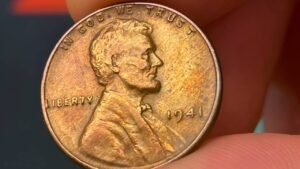
Even semi-key dates like 1926-S can bring strong premiums in better condition.
Wartime Changes & Rare Errors
World War II dramatically changed penny production.
1943 Steel Cents
Copper was needed for the war, so pennies were struck in zinc-coated steel.
- Typical value: $0.20–$5
- High-grade examples: More
Rare 1943 Bronze Error
A few were mistakenly struck in bronze.
- Auction prices: $100,000+
1944 Steel Error
The reverse error—steel planchets used in 1944.
- Value: Often five figures
These error coins are among the most valuable Wheat Pennies ever found.
Condition: The Biggest Price Factor
A coin’s grade can multiply its value dramatically.
Example: 1945 Penny
- Heavily circulated: $0.03–$0.10
- Mint State Red: $20–$50+
Collectors prefer:
- Red (RD) – highest value
- Red-Brown (RB) – moderate value
- Brown (BN) – lower value
Professional grading increases buyer confidence and resale value.
Mint Marks Matter
Wheat Pennies were minted in:
- Philadelphia (no mint mark)
- Denver (D)
- San Francisco (S)
San Francisco issues from early years are often scarcer. Examples like 1911-S and 1913-S usually bring higher prices than Philadelphia coins.
Famous Mid-Century Rarity
1955 Doubled Die
One of the most well-known U.S. error coins.
- Circulated: $1,000+
- High grade: $10,000+
Most 1950s Wheat Pennies are common, but top-grade examples graded MS67 Red can still sell for hundreds of dollars.
Quick Value Pattern Overview
| Era | Value Trend |
|---|---|
| 1909–Mid 1920s | Strong premiums |
| Late 1920s–1930s | Moderate scarcity |
| 1943–1944 | Error spikes |
| Late 1940s–1950s | Common unless high grade |
Smart Storage Tips
To protect your coin’s value:
- Never clean coins
- Use acid-free holders
- Store in a cool, dry place
- Avoid humidity (especially for steel cents)
- Consider professional grading for rare dates
Proper storage preserves luster and maximizes resale value.
FAQs About Lincoln Wheat Penny Values
1. What is the rarest Lincoln Wheat Penny?
The 1909-S VDB and 1943 bronze cent are among the rarest and most valuable.
2. Are all 1943 pennies valuable?
No. Most steel cents are common. Only bronze error versions are extremely valuable.
3. How can I tell if my penny is valuable?
Check the date, mint mark, condition, and look for errors. Key dates and high grades matter most.
4. Should I clean old pennies?
No. Cleaning damages the surface and reduces value significantly.
5. Are 1950s Wheat Pennies worth money?
Most are common, but high-grade or error coins like the 1955 Doubled Die can be very valuable.
Final Thoughts
The 1909–1958 Lincoln Wheat Penny series offers something for everyone—from affordable starter coins to six-figure rarities. The key factors that determine value are:
- Date
- Mint mark
- Rarity
- Condition
Before selling or investing, compare recent auction results and consider professional grading. You might be surprised—your old penny could be worth far more than one cent.
Start checking your collection today. Hidden treasures still turn up in everyday coin jars.