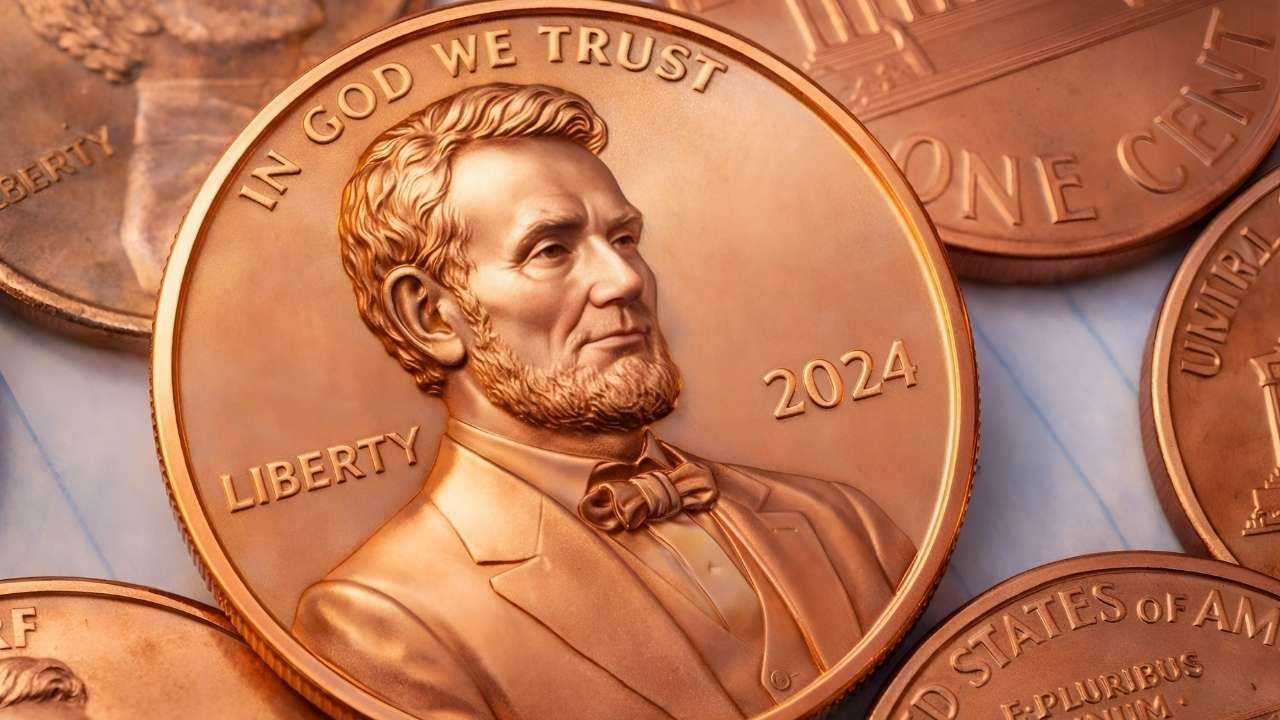
Most pennies aren’t worth more than face value. But one special 1972 Lincoln cent has shocked collectors for decades. The 1972 Doubled Die Penny is one of the most famous error coins in U.S. history — and top-condition examples have sold for as much as $14,500.
The surprising part? It was once released into everyday circulation. That means one could still be hiding in a coin jar, old collection, or inherited stash. Here’s how to tell if you’ve found the valuable variety.
What Is the 1972 Doubled Die Penny?
The coin in question is the 1972 Doubled Die Obverse penny, a rare error variety of the Lincoln cent.
How the Error Happened
This error occurred during the die creation process at the Philadelphia Mint. The working die received a slightly misaligned impression from the hub, causing parts of the design to appear doubled.
This is called a doubled die error — and it’s very different from common machine doubling.
Where to Look for the Doubling
The doubling appears on the front (obverse) of the coin, which features Abraham Lincoln.
Check These Areas Closely:
- LIBERTY
- IN GOD WE TRUST
- Date “1972”
On genuine examples, the letters look bold and clearly separated, almost like a shadow sitting slightly to the left. The doubling is rounded and full — not flat.
Quick Visual Clue
- Strong doubling on the left side of letters
- Clear separation in the “7” and “2”
- Thick, raised appearance (not scraped or shelf-like)
If the doubling looks flat or thin, it’s likely machine doubling — which is far less valuable.
Important: No Mint Mark
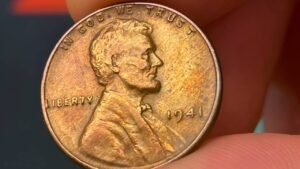
A key detail many people miss: authentic 1972 Doubled Die pennies were struck in Philadelphia and have no mint mark.
If your 1972 penny has a “D” (Denver) mint mark, it is not the famous doubled die variety.
How Rare Is It?
The Philadelphia Mint struck over 2.9 billion Lincoln cents in 1972. However, only a small fraction show the true doubled die error.
Experts estimate that:
- Tens of thousands were originally released
- Many were lost, worn out, or damaged
- High-grade examples are much scarcer today
That limited supply keeps demand strong among collectors.
1972 Doubled Die Penny Value
Condition plays a major role in price.
| Condition | Estimated Value |
|---|---|
| Circulated | $200 – $500 |
| Mint State (Red-Brown) | $1,000 – $5,000 |
| High-Grade Red | Up to $14,500 |
Coins described as Red (retaining original copper color) are typically the most valuable.
Professional grading services evaluate:
- Surface quality
- Luster
- Strike strength
- Color preservation
Authentication is strongly recommended before selling.
How to Avoid Fakes and Lookalikes
Not every unusual 1972 penny is valuable.
Common Confusion: Machine Doubling
Machine doubling:
- Looks flat and shelf-like
- Appears scraped sideways
- Lacks rounded depth
True doubled die coins show bold, rounded separation that matches the original design.
Proper lighting and magnification make identification easier.
Why Collectors Still Hunt This Coin
The 1972 Doubled Die penny remains popular because:
- The doubling is dramatic and easy to see
- It’s affordable compared to rare gold coins
- It can still be found in old collections
- It’s one of the strongest doubled die errors of the 1970s
Its mix of accessibility and real value potential keeps interest alive decades later.
What To Do If You Find One
Before you spend that 1972 penny:
Do:
- Examine it under magnification
- Confirm there is no mint mark
- Store it in a protective holder
Don’t:
- Clean or polish the coin
- Assume value without verification
- Sell without authentication
Cleaning can permanently reduce value.
FAQs About the 1972 Doubled Die Penny
1. How do I know if my 1972 penny is the valuable one?
Look for strong, rounded doubling on LIBERTY, IN GOD WE TRUST, and the date — with no mint mark.
2. Are all 1972 pennies valuable?
No. Only the true doubled die obverse variety carries significant value.
3. What is the highest price paid for one?
High-grade Red examples have sold for up to $14,500 at auction.
4. Can I find one in circulation today?
It’s rare, but possible in old jars, collections, or estate coins.
5. Should I get it graded?
Yes. Professional grading increases buyer confidence and often boosts resale value.
Final Thoughts: Check Before You Spend
The 1972 Doubled Die penny proves that small minting mistakes can create big value. While most 1972 cents are ordinary, one rare variety stands out with bold doubling and no mint mark.
Before tossing your change into a jar or spending that penny, take a closer look. A quick inspection could turn one cent into thousands of dollars.