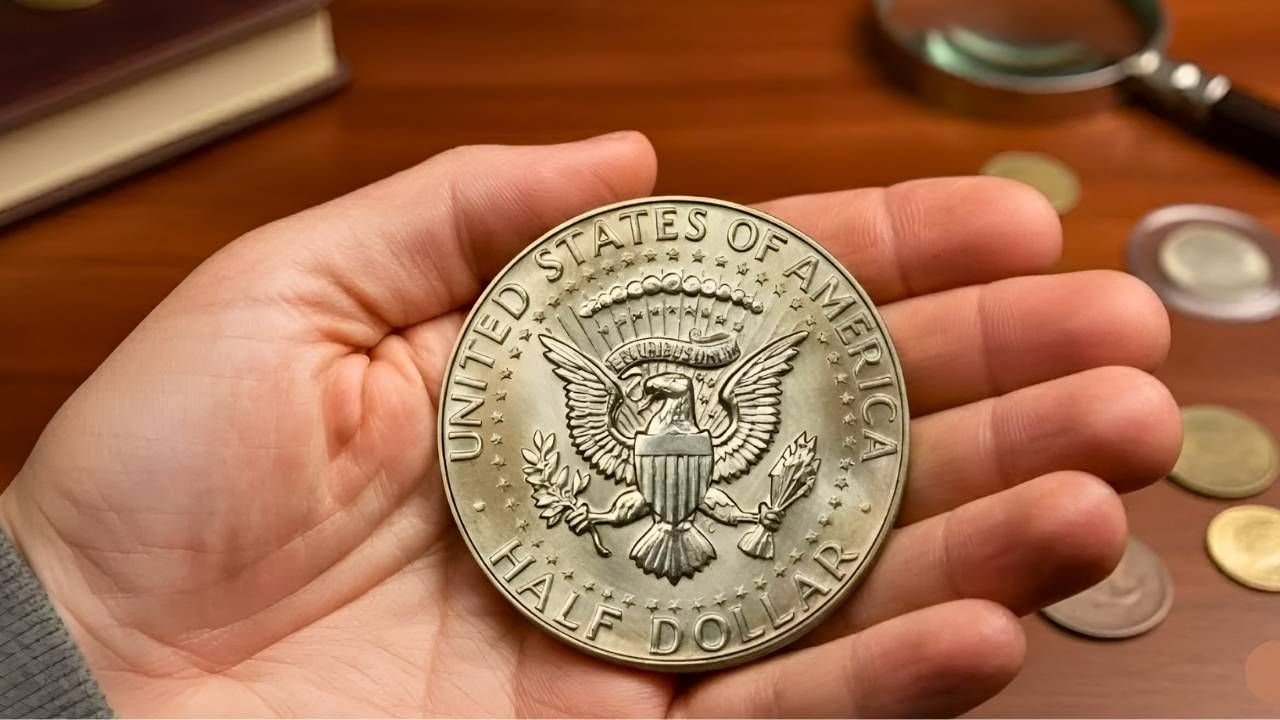
A single coin has reignited excitement across the rare coin market. A long-rumored, unusual 1964 Kennedy Half Dollar has reportedly resurfaced, and collectors are calling it potentially priceless. If authenticated as a prototype, pattern strike, or rare early high-relief issue, this coin could become one of the most important modern U.S. discoveries in years.
Here’s what makes this story so compelling—and what it could mean for collectors.
Why the 1964 Kennedy Half Dollar Matters
The 1964 Kennedy Half Dollar was introduced just months after the assassination of John F. Kennedy. Public demand was overwhelming. Americans lined up at banks to secure a piece of history.
Key Specifications
| Feature | Details |
|---|---|
| Composition | 90% Silver, 10% Copper |
| Weight | 12.50 grams |
| Silver Content | 0.3617 troy oz |
| Mint Locations | Philadelphia & Denver |
| Designers | Gilroy Roberts (obverse), Frank Gasparro (reverse) |
Hundreds of millions were produced, but most entered circulation or were saved as keepsakes. Truly rare varieties are extremely scarce.
What Makes This Resurfaced Coin Different?
Experts suggest this coin may be:
- A prototype strike
- A high-relief early strike
- A pattern coin
- Or a special presentation piece
Reported Unique Features
Early evaluations note:
- Sharper hair detail above Kennedy’s ear
- Stronger eagle feather definition
- Slightly deeper relief overall
- Subtle die markers not seen on standard circulation strikes
To casual observers, these differences may seem minor. But in numismatics, small design variations can mean massive value differences.
The Mystery Behind Its Disappearance
For decades, advanced collectors whispered about a special early 1964 half dollar that never entered normal distribution. Some believed experimental dies were tested before final production standards were locked in.
The resurfaced example reportedly matches descriptions found in older numismatic discussions. If verified, it could confirm long-standing speculation about undocumented early strikes.
Authentication is currently critical—and ongoing.
Why Authentication Is Everything
Before any value can be assigned, the coin must be certified by a major grading service such as:
- Professional Coin Grading Service (PCGS)
- Numismatic Guaranty Company (NGC)
Experts examine:
- Die alignment
- Metal composition
- Microscopic surface markers
- Strike depth
- Historical mint records
Without professional certification, rarity claims remain speculation.
How Much Could It Be Worth?
The term “priceless” doesn’t mean no value—it means the market could determine it through aggressive bidding.
If confirmed as:
- A unique pattern strike → Six or seven figures possible
- A near-unique early prototype → Potentially record-breaking
- A standard coin with exceptional grade only → Still valuable, but far less dramatic
Modern coins with strong historical narratives have achieved extraordinary auction results in recent years.
Why Collectors Are Excited
Several factors are driving interest:
- First-year issue of an iconic series
- Strong emotional connection to U.S. history
- Silver composition
- Possible undocumented production variation
- Potential uniqueness
Even standard 1964 halves are popular because of their silver content. But a confirmed rare variety could redefine the series.
Should You Check Your 1964 Half Dollars?
Yes—but stay realistic.
What to Look For
- Exceptional sharpness of detail
- Unusual relief depth
- Clear, bold strike
- No cleaning or damage
However, most 1964 halves are common and valued mainly for silver content unless in high grade.
FAQs About the 1964 Kennedy Half Dollar
1. Are all 1964 Kennedy Half Dollars rare?
No. Most are common and worth silver melt value unless in exceptional condition.
2. What is a pattern coin?
A pattern coin is a test or prototype struck before official production standards are finalized.
3. How can I tell if mine is valuable?
Look for unusual detail sharpness and have it professionally graded.
4. Does silver content increase value?
Yes. Each 1964 half contains 90% silver, giving it intrinsic bullion value.
5. Could this coin really sell for millions?
If confirmed as unique or historically significant, strong auction demand could push it into very high price territory.
Final Thoughts
The resurfacing of this unusual 1964 Kennedy Half Dollar reminds collectors that even modern-era coins can hold extraordinary secrets. Whether it proves to be a rare prototype, a high-relief early strike, or simply an exceptional specimen, its discovery has already energized the numismatic world.
If you own 1964 Kennedy halves, examine them carefully—but rely on expert authentication before making bold assumptions. In coin collecting, history, rarity, and verification are what truly turn silver into treasure.