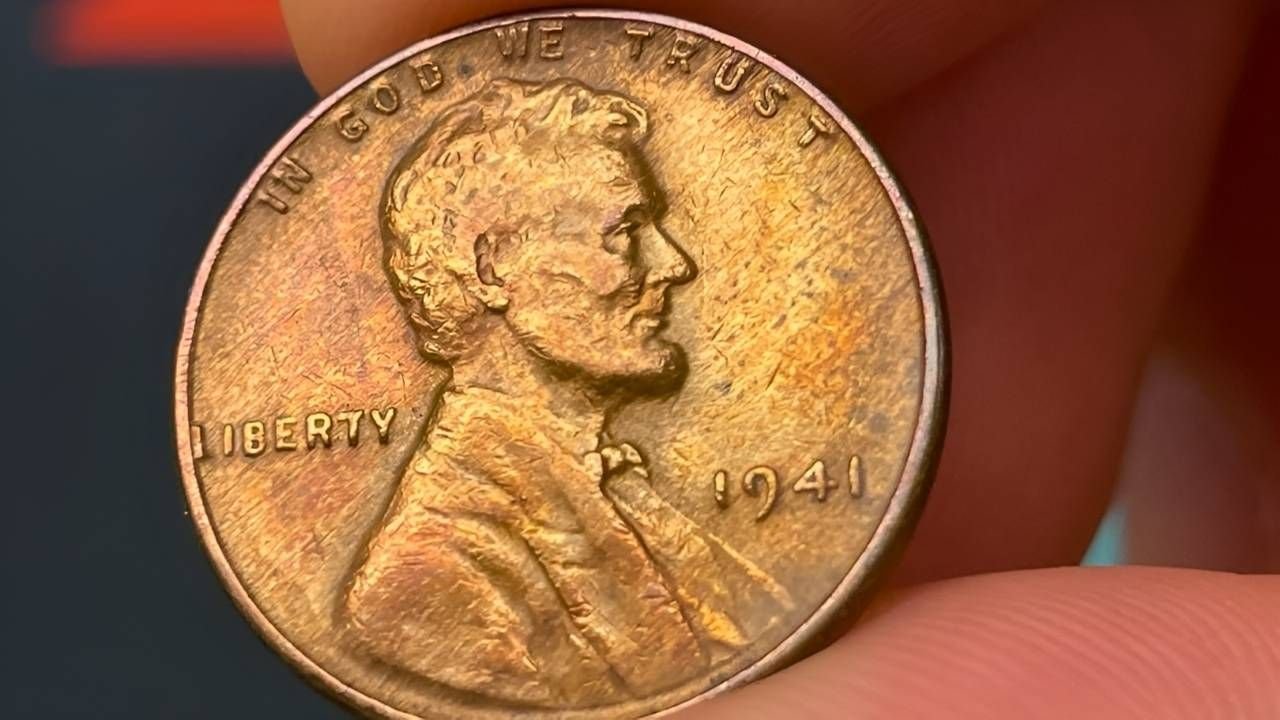
It may sound unbelievable, but certain Lincoln Wheat Pennies have reached five-figure prices at auction. While most old pennies are worth only a few cents, rare dates and mint errors continue to surprise collectors across the United States.
The key is knowing what to look for. Here’s a clear, simple guide to understanding which Wheat Pennies carry serious value — and why some are still turning up in everyday circulation.
The History Behind the Lincoln Wheat Penny
America’s First Presidential Coin
The Lincoln Wheat Penny was introduced in 1909 to celebrate the 100th birthday of Abraham Lincoln. It became the first regular U.S. coin to feature a real historical figure.
Design details:
- Front: Abraham Lincoln’s portrait
- Back: Two wheat stalks symbolizing prosperity
- Minted: 1909 to 1958
Billions were produced, but rarity depends on the year, mint mark, condition, and possible errors.
Why Some Wheat Pennies Are Worth $51,000
Not every Wheat Penny is valuable. However, specific versions in excellent condition can command huge prices.
1. 1909-S VDB Lincoln Cent
This is one of the most famous and desirable pennies ever made.
Why it’s valuable:
- Low mintage (only about 484,000 produced)
- Features the designer’s initials “VDB”
- Strong collector demand
In high-grade condition, this coin can approach or exceed $51,000 at auction.
2. 1943 Bronze Lincoln Cent
In 1943, pennies were supposed to be made of steel to conserve copper during World War II. However, a few bronze planchets were mistakenly used.
Why it’s special:
- Mint error during wartime
- Extremely rare
- Highly publicized auction results
Authentic examples have sold for hundreds of thousands — even more in exceptional cases.
3. 1955 Doubled Die Lincoln Cent
This coin is famous for visible doubling in the date and lettering.
Collectors love it because:
- The doubling is easy to see
- It’s a well-known error variety
- Demand remains strong
High-quality examples continue to bring impressive prices.
Key Dates to Check Immediately
If you’re searching through change or old collections, look closely at:
- 1909-S (especially with VDB initials)
- 1914-D
- 1922 “No D” variety
- 1943 Bronze (not steel)
- 1955 Doubled Die
Even lower-grade examples of these dates can carry significant premiums.
Condition Makes a Huge Difference
In coin collecting, condition is everything.
A worn 1909-S VDB penny may sell for thousands.
A nearly perfect example? It could jump toward $51,000 or more.
Professional grading services evaluate:
- Surface preservation
- Sharpness of details
- Original mint luster
- Signs of cleaning or damage
Never clean a coin — it can reduce value dramatically.
Are Valuable Wheat Pennies Still in Circulation?
Yes — but rarely.
Wheat Pennies occasionally reappear because:
- Families spend old coin jars
- Estate collections get mixed into circulation
- Banks receive older rolled coins
Coin roll hunters regularly search bank rolls hoping for overlooked treasures. While the odds are low, discoveries still happen.
Quick Penny Check Guide
Here’s how to examine your change:
- Separate pennies dated before 1959
- Check for mint marks under the date (S or D)
- Look for unusual doubling in letters or numbers
- Use a magnifying glass for closer inspection
- Compare with verified images from trusted sources
- Consult a reputable coin dealer if unsure
FAQs About Valuable Lincoln Wheat Pennies
1. Is every Wheat Penny valuable?
No. Most are worth only a few cents to a few dollars.
2. How can I tell if my 1943 penny is bronze?
Use a magnet. Steel pennies stick; bronze ones do not. Always get professional confirmation.
3. Should I clean an old penny?
No. Cleaning can permanently lower its value.
4. Where can I sell a rare penny?
Reputable coin dealers, major auction houses, or certified coin marketplaces.
5. Are Wheat Pennies a good investment?
Key dates in high condition can perform well, but research and professional grading are essential.
Final Thoughts
The idea that a penny could be worth $51,000 keeps collectors searching through jars, drawers, and pocket change. While most Lincoln Wheat Pennies are modest in value, rare dates and mint errors prove that extraordinary finds are possible.
Take a few minutes to check your coins. Separate the older dates. Look closely at mint marks and details. Even if you don’t discover a five-figure rarity, you might uncover a fascinating piece of American history — and that alone makes the hunt worthwhile.