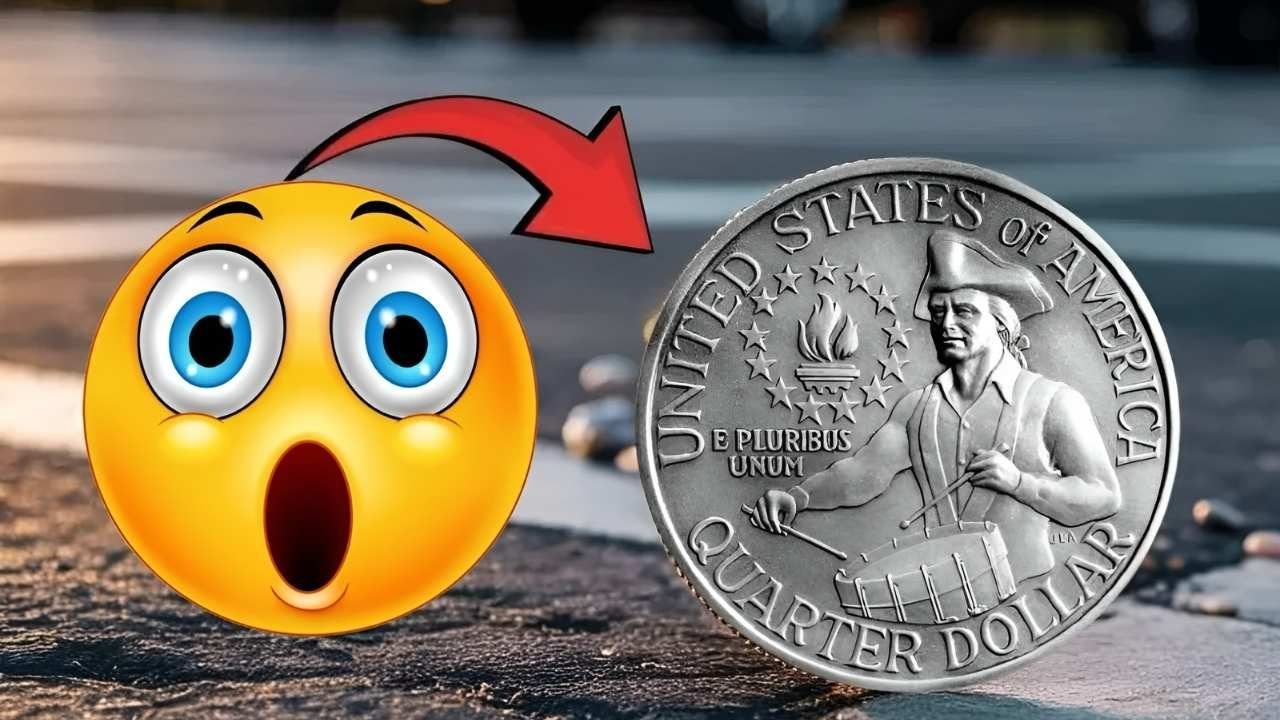
In the world of rare coins, the answer can be yes — under the right circumstances. While most 1976 Bicentennial Quarters are still worth face value, a tiny number with rare features, silver content, mint errors, and ultra-high grades have stunned collectors with massive auction prices.
Let’s break down what makes certain Bicentennial Quarters so special — and how to check if yours might be valuable.
The History of the 1976 Bicentennial Quarter
A Design Made for America’s 200th Birthday
The 1976 Bicentennial Quarter was created to celebrate 200 years of American independence. Instead of the traditional eagle on the reverse, the coin features:
- A Colonial drummer
- A torch surrounded by 13 stars
- Dual date: 1776–1976
Millions were minted in 1975 and 1976, making it one of the most recognized U.S. quarters ever produced. But history alone does not create six-figure value.
Silver Versions Are More Valuable
40% Silver Collector Issues
Most Bicentennial Quarters were struck in copper-nickel clad for circulation. However, the U.S. Mint also produced 40% silver versions for collector sets.
Here’s the key difference:
- Clad coins show a copper stripe on the edge
- Silver coins have a solid silver-colored edge
While silver versions are more valuable than regular quarters, they are still common unless combined with rare traits.
Mint Errors That Drive Huge Prices
Mint errors are one of the biggest reasons a Bicentennial Quarter could skyrocket in value.
Possible High-Value Errors
- Double die errors (doubled lettering or numbers)
- Off-center strikes
- Wrong planchet errors
- Broadstrikes
- Dramatic strike misalignments
A wrong planchet error — where the coin is struck on metal meant for another denomination — can significantly increase value if verified.
When rare errors are preserved in excellent condition, competitive bidding can push prices into the six-figure range.
Condition: The True Value Multiplier
In coin collecting, condition is everything.
Coins are graded on a scale from 1 to 70. The highest grades include:
- MS67
- MS68
- MS69
A near-perfect Bicentennial Quarter in one of these top grades is extremely rare. Even one grade point difference can mean thousands — or tens of thousands — of dollars in value.
Most circulated coins show wear, which limits their worth.
Proof Coins with Deep Cameo Finish
Proof Bicentennial Quarters were specially struck for collectors using polished dies.
They feature:
- Mirror-like backgrounds
- Frosted design elements
- Sharper details
If a proof coin earns a top certification grade and has exceptional eye appeal, its auction value can rise dramatically — especially if combined with a rare minting anomaly.
What Would Make a $750,000 Quarter?
For a Bicentennial Quarter to reach $750,000, it would likely need:
- 40% silver composition
- A rare and dramatic mint error
- Ultra-high Mint State or Proof grade
- Verified professional certification
- Strong auction competition
It’s the combination of rarity + condition + demand that creates record-breaking sales.
Quick Value Comparison
| Type | Typical Value |
|---|---|
| Circulated clad coin | $0.25 |
| Uncirculated clad coin | $1–$5 |
| 40% Silver version | $5–$20+ |
| Rare error (certified) | Hundreds to thousands |
| Ultra-rare high-grade error | Potentially six figures |
How to Check Your Bicentennial Quarter
Follow these simple steps:
- Check the edge for silver content
- Look for doubled lettering or unusual strike patterns
- Weigh the coin if possible
- Avoid cleaning it
- Consult a professional grading service if it appears unusual
Authentication is essential before assuming high value.
FAQs About the 1976 Bicentennial Quarter
1. Is every Bicentennial Quarter valuable?
No. Most are worth only face value.
2. How can I tell if mine is silver?
Look at the edge. Silver coins do not show a copper stripe.
3. What is a mint error?
A mistake made during coin production, such as doubling or striking on the wrong metal.
4. Should I clean my coin before selling?
No. Cleaning can reduce value significantly.
5. Where can I get my coin graded?
Use reputable third-party grading services or trusted coin dealers.
Final Thoughts
The idea of a 1976 Bicentennial Quarter selling for $750,000 captures attention because it blends history, rarity, and surprise. While nearly all Bicentennial Quarters remain ordinary, a rare few stand apart due to silver content, dramatic mint errors, and elite condition.
Take a few minutes to check your change. Look closely. Stay realistic. And if something seems unusual, seek professional authentication. In the world of rare coins, small details can sometimes lead to extraordinary discoveries.