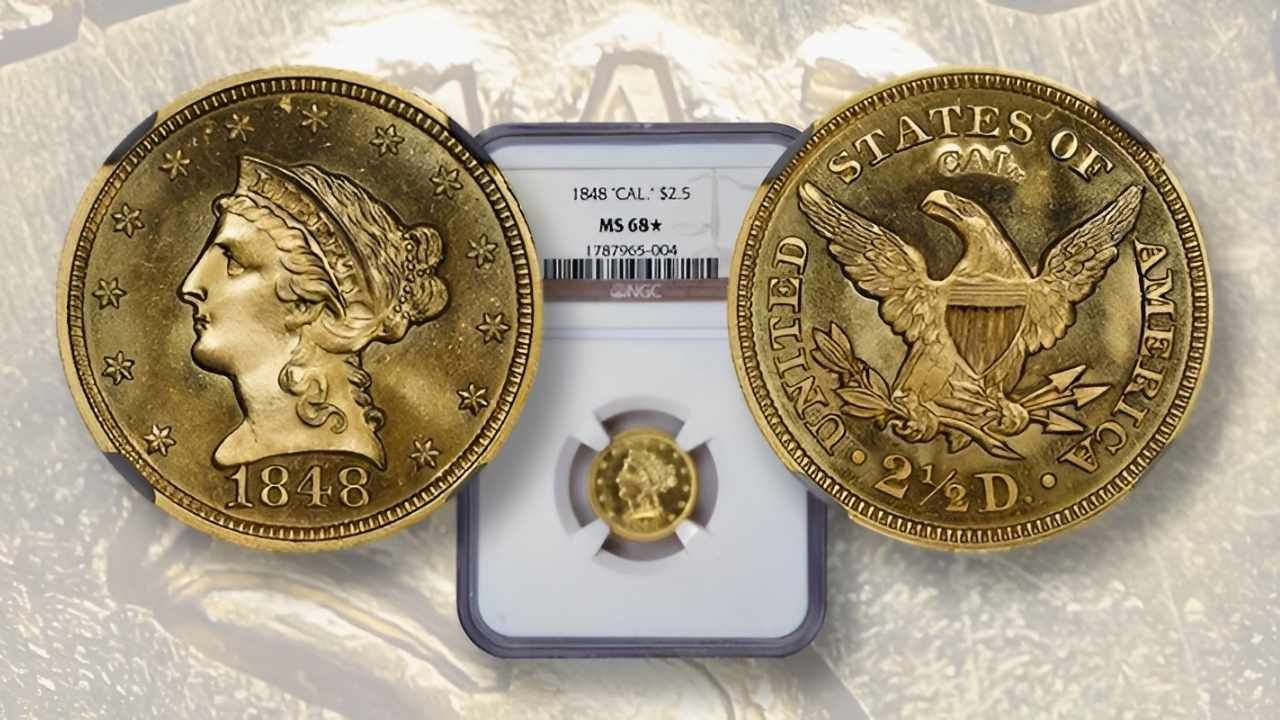
Yes — when it’s one of only three known examples in the world. A rare 1970-S Proof Washington Quarter recently stunned collectors after reaching six figures at auction. What makes it extraordinary isn’t just its age, but a dramatic minting mistake that slipped past strict quality control.
Here’s why this coin has become one of the most talked-about modern U.S. rarities.
The Story Behind the 1970-S Proof Washington Quarter
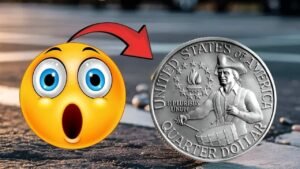
Proof quarters from 1970 were struck at the San Francisco Mint and sold directly to collectors in protective sets. These coins were never meant for circulation and were produced using polished dies to create mirror-like surfaces and sharp details.
But this particular example was different.
It was accidentally struck on the wrong metal planchet, creating one of the rarest modern U.S. mint errors ever confirmed.
What Is a Mule Error?
A Rare Die or Planchet Mix-Up
A mule error occurs when mismatched components are used during production. In this case, the proof quarter was struck on a 40% silver planchet intended for Canadian coinage, instead of the standard copper-nickel clad blank used for U.S. quarters in 1970.
That mistake created a coin with:
- Different metallic composition
- Slightly heavier weight
- Unique silver appearance
- Extraordinary rarity
Because proof coins go through extra inspection, such a major error slipping through is exceptionally rare.
Only Three Known Examples
Rarity drives value — and this coin sits at the extreme end of scarcity.
Experts have confirmed that only three examples of this silver-planchet 1970-S proof quarter exist. When population numbers are that low, collectors know opportunities to buy are rare and unpredictable.
That urgency explains the $125,000 auction result.
Why Silver Composition Matters
By 1970, U.S. quarters for circulation were no longer made of silver. Standard clad quarters weigh approximately 5.67 grams.
This rare proof example weighs closer to 5.75 grams due to its silver content.
Quick Comparison
| Feature | Standard 1970 Quarter | Rare Mule Example |
|---|---|---|
| Composition | Copper-Nickel Clad | 40% Silver |
| Weight | ~5.67 grams | ~5.75 grams |
| Intended Use | Proof Sets | Accidental Error |
| Rarity | Common | Only 3 Known |
That weight difference is one of the first clues specialists use to confirm authenticity.
Condition Boosted the Price
The record-setting coin was preserved in exceptional proof condition, showing:
- Deep mirrored fields
- Frosted design details
- Minimal imperfections
In numismatics, condition can dramatically impact value. With only three known examples, collectors place enormous emphasis on which specimen is the finest preserved.
A high-grade certification adds buyer confidence and strengthens auction performance.
Why Modern Errors Are Gaining Attention
For years, collectors focused mainly on 19th-century coins. Today, modern mint errors are attracting serious interest.
Reasons include:
- Extremely low confirmed populations
- Strong documentation and grading
- Increased online auction visibility
- Growing demand from younger collectors
The 1970-S silver proof mule is a perfect example of how a modern coin can achieve elite status.
Could Another One Be Found?
Proof sets from 1970 were sold in large numbers, and many remain unopened in private collections. While experts confirm only three known examples, the possibility of discovering another keeps collectors checking old sets carefully.
However, expectations should remain realistic. Discoveries of this magnitude are exceptionally rare.
How to Check a 1970-S Proof Quarter
If you own a 1970 proof set:
- Verify the “S” mint mark
- Weigh the coin accurately
- Check for unusual silver appearance
- Never remove coins carelessly from original packaging
- Consult a reputable grading service before making assumptions
Professional authentication is essential for verification.
FAQs About the 1970-S Proof Mule Quarter
1. What makes this coin worth $125,000?
Its silver planchet error, proof condition, and extremely low population of only three known examples.
2. Are all 1970-S proof quarters valuable?
No. Most are standard clad proof coins worth modest premiums.
3. How can I tell if mine is silver?
Weigh it precisely and consult a professional grader. Visual inspection alone is not enough.
4. Should I open my proof set to check?
Avoid removing coins without proper knowledge, as mishandling can reduce value.
5. Are modern mint errors good investments?
Ultra-rare certified errors can perform well, but research and expert verification are critical.
Final Thoughts
The $125,000 sale of the 1970-S Proof Washington Quarter proves that extraordinary value can hide within modern coins. A simple production mistake — striking a proof quarter on a silver planchet — created one of the rarest modern U.S. coin errors ever confirmed.
While most proof quarters are common, this story highlights an important lesson: rarity, condition, and verified authenticity can transform a small coin into a major investment-grade collectible.
If you own older proof sets, it may be worth a closer look. In numismatics, history and human error sometimes combine to create remarkable opportunities.