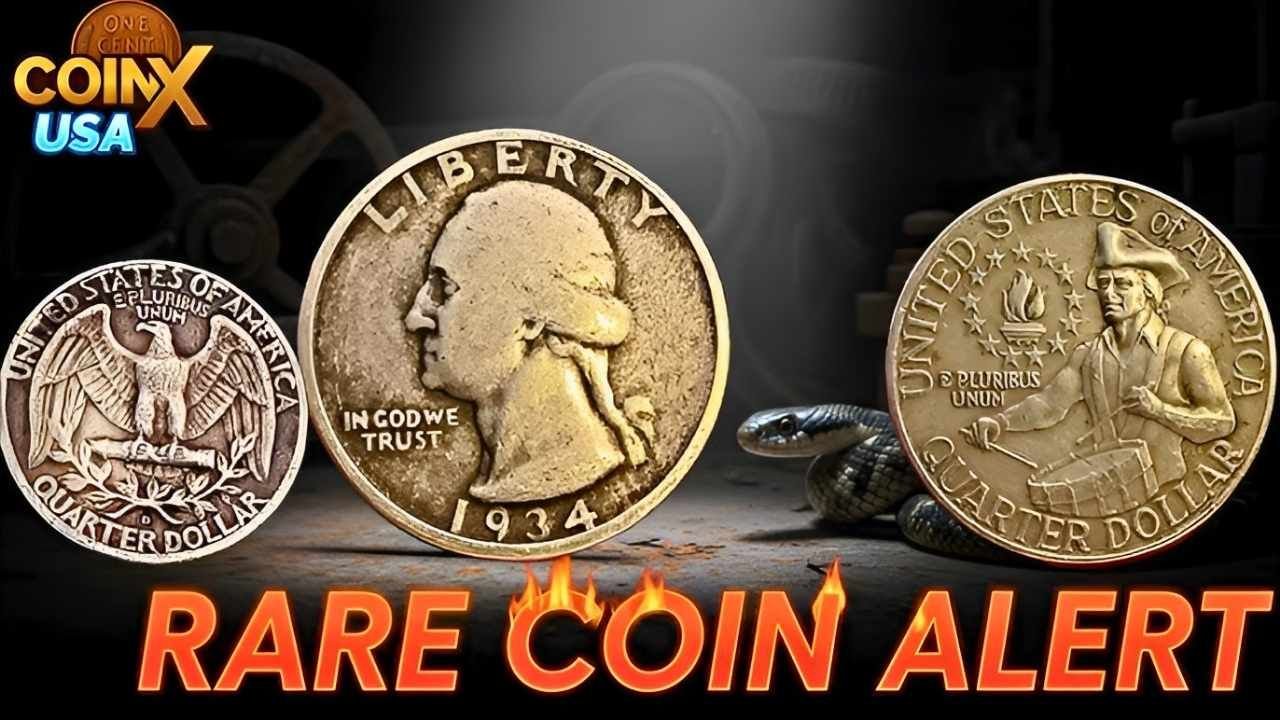
Most pennies are barely worth a second glance. But a few rare error coins from 1969 and 1976 have stunned collectors by selling for more than $100,000 at auction. These aren’t myths or internet rumors — they are verified mint errors that once circulated like ordinary pocket change.
So the big question is: do you own one of these valuable pennies?
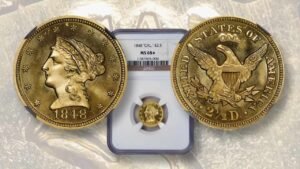
Let’s break down what makes them special and how to spot them.
The Famous 1969-S Doubled Die Penny
The star of modern error coins is the 1969-S Doubled Die Obverse penny — one of the most dramatic doubled die errors in U.S. coin history.
What Makes It So Valuable?
This error happened during the die-making process at the U.S. Mint. The design received multiple misaligned impressions, causing bold, visible doubling on the front of the coin.
Where to Look for Doubling
Check the obverse (front), which features Abraham Lincoln. Look closely at:
- LIBERTY
- IN GOD WE TRUST
- Date (1969)
On genuine examples, the letters appear clearly separated and thick — not flat or smeared.
Why It’s Worth So Much
- Very limited number released
- Many were pulled from circulation early
- High demand among collectors
- Heavy counterfeiting increased verified rarity
High-grade examples have sold for well over $100,000. Even lower-grade coins can bring tens of thousands.
1976 Error Pennies: Hidden Surprises
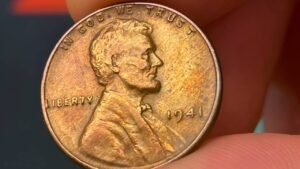
While 1969 gets most of the attention, 1976 Lincoln cents also have valuable error varieties. These coins were produced during the U.S. Bicentennial, when minting activity was high.
Most 1976 pennies are common — but certain errors can be worth serious money.
Valuable 1976 Errors to Watch For
- Doubled die varieties
- Off-center strikes
- Wrong planchet errors
- Struck on dime or foreign coin blanks
Wrong Planchet Errors Explained
A wrong planchet error happens when a coin is struck on a metal blank meant for a different denomination.
For example:
- A penny design on a dime-sized blank
- A cent struck on a foreign coin planchet
- Different color or unusual weight
These mistakes are rare and visually dramatic. When authenticated, they can sell for five figures — and in exceptional cases, even more.
Condition Drives the Price
Not every error coin becomes a six-figure treasure. Condition plays a huge role.
| Condition | Value Impact |
|---|---|
| Heavily worn | Lower premium |
| Lightly circulated | Moderate value |
| Mint State | Maximum value |
Professional grading services evaluate:
- Surface preservation
- Luster
- Strike quality
- Overall eye appeal
For the 1969-S doubled die, high-grade coins command the strongest prices.
How to Spot Real Errors (Avoid Common Mistakes)
Many coins show machine doubling or damage that looks similar to true doubled dies.
Real Doubled Die:
- Rounded, separated letters
- Clear overlapping design
- Part of the original strike
Machine Doubling:
- Flat or shelf-like appearance
- Looks scraped sideways
- Not collectible at high levels
A magnifying glass or jeweler’s loupe makes inspection easier.
Where These Rare Pennies Are Found
Many valuable error coins were discovered in:
- Bank coin rolls
- Old coin jars
- Estate sales
- Inherited collections
Since they were originally released into circulation, there is still a small chance of finding one today.
What To Do If You Think You Found One
Before you get too excited:
Do:
- Handle the coin by the edges
- Store it in a protective holder
- Seek professional authentication
Don’t:
- Clean or polish the coin
- Assume value without verification
- Sell without grading documentation
Cleaning can permanently reduce value.
FAQs About Rare 1969 & 1976 Pennies
1. Is the 1969-S doubled die penny really worth $100,000?
Yes. High-grade authenticated examples have sold for over $100,000.
2. Are all 1969 pennies valuable?
No. Only the 1969-S doubled die obverse variety carries significant value.
3. Are 1976 pennies rare?
Most are common, but certain error coins can be very valuable.
4. How can I tell if mine is struck on the wrong planchet?
Check the size, weight, and color. If it looks unusual, get professional evaluation.
5. Should I get my coin graded?
Absolutely. Authentication protects against counterfeits and increases buyer confidence.
Final Thoughts: Small Coin, Big Potential
Rare 1969 and 1976 error pennies prove that extraordinary value can hide in everyday change. The 1969-S doubled die remains one of the most famous modern U.S. mint errors, while unusual 1976 mistakes continue to surprise collectors.
Finding one is rare — but not impossible. Before you spend that next penny, take a moment to look closely. You might be holding more than just one cent.