
At first glance, the 1916-S Wheat Penny looks like any other old Lincoln cent. But one tiny detail—the small “S” mint mark—can make a huge difference in value. In today’s collector market, this century-old coin continues to attract strong demand, with high-grade examples selling for hundreds or even thousands of dollars.
If you collect coins, inherited an old jar of pennies, or enjoy checking pocket change, this guide will help you understand why the 1916-S Wheat Penny is worth a closer look.
What Is the 1916-S Wheat Penny?
The 1916-S Wheat Penny is part of the original Lincoln cent series introduced in 1909. It features:
- A portrait of Abraham Lincoln on the front
- Two wheat stalks on the reverse
- A small “S” mint mark below the date
The “S” indicates it was struck at the San Francisco Mint.
Why the Mint Mark Matters
In 1916, the San Francisco Mint produced just over 22 million Lincoln cents. While that sounds like a large number, it’s modest compared to other years that saw mintages exceeding 100 million.
After more than 100 years of circulation, many were lost, damaged, or heavily worn. That limited surviving supply is one reason collectors value this coin.
How Much Is a 1916-S Wheat Penny Worth?
The value depends mainly on condition (grade) and color.
Estimated Value by Grade
| Condition | Estimated Value (2026) |
|---|---|
| Good (Heavy Wear) | $3–$10 |
| Fine | $15–$40 |
| Extremely Fine | $50–$120 |
| Mint State (Uncirculated) | $250–$1,000+ |
| Gem Mint State (Red) | $2,000+ |
Note: Exceptional high-grade coins may sell for even more at auction.
Why High-Grade Coins Bring Big Money
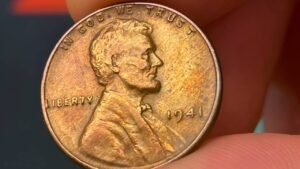
Most 1916-S pennies circulated heavily during the World War I era. As a result:
- Lincoln’s hair details are often worn flat
- Wheat lines on the reverse may be weak
- Surfaces show scratches and dull color
What Collectors Look For
Premium examples have:
- Sharp wheat stalk lines
- Strong facial detail
- Original mint luster
- No cleaning or damage
Coins graded Mint State (MS) that retain bright red color are especially desirable.
Brown vs. Red: Why Color Impacts Value
Copper coins are categorized as:
- Brown (BN) – Fully oxidized
- Red Brown (RB) – Partial original red
- Red (RD) – Mostly original mint color
A full Red 1916-S Wheat Penny in Mint State condition can be worth several times more than a Brown example. Red coins are rare after a century of exposure, making them highly sought after.
Beware of Counterfeits
Because the 1916-S is popular, some coins have altered mint marks.
Watch for:
- Uneven or crooked “S”
- Tool marks near the mint mark
- Incorrect placement
For higher-value coins, professional authentication is strongly recommended.
Why Demand Remains Strong in 2026
Lincoln Wheat cents remain one of America’s most collected coin series. Many collectors aim to complete full date-and-mint sets, which increases demand for scarcer issues like the 1916-S.
Key demand drivers:
- Historical significance
- Lower mintage
- Age (over 100 years old)
- Set-building popularity
This steady collector interest helps maintain long-term value stability.
Quick Tips for Buyers
If you’re planning to purchase one:
- Avoid cleaned coins
- Compare recent sales prices
- Consider certified examples
- Focus on eye appeal, not just grade
A quality example can remain a strong collectible for decades.
FAQs About the 1916-S Wheat Penny
1. Is the 1916-S Wheat Penny rare?
It’s considered a semi-key date. While not extremely rare, high-grade examples are scarce.
2. How do I know if mine is valuable?
Check the mint mark, condition, and color. Uncirculated Red coins are worth the most.
3. Can a worn 1916-S penny still be worth money?
Yes. Even heavily circulated examples are typically worth more than face value.
4. Should I clean my coin?
No. Cleaning can permanently reduce value.
5. Where can I sell a 1916-S Wheat Penny?
Reputable coin dealers, auctions, and certified coin marketplaces are good options.
Final Verdict: Small Detail, Big Potential
The 1916-S Wheat Penny proves that tiny details can create big value. That small “S” mint mark represents lower production, historical importance, and lasting collector demand.
Whether you’re building a Lincoln cent set or simply checking old coins at home, take a moment to examine every 1916 penny carefully. That small mint mark could turn an ordinary cent into a valuable piece of American history—and possibly a surprisingly profitable one.