
What if a single penny in your pocket could be worth millions? It sounds unbelievable—but certain rare Lincoln Wheat Pennies have sold for over $1 million, and experts believe a flawless, unique specimen could potentially reach valuations in the multi-million-dollar range under the right conditions.
Before you start digging through your coin jar, here’s what you need to know about the legendary Lincoln Wheat Penny and how to spot one that could be extremely valuable.
The History Behind the Lincoln Wheat Penny
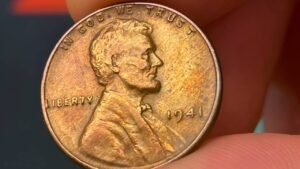
The Lincoln Wheat Penny was introduced in 1909 to celebrate Abraham Lincoln’s 100th birthday. Designed by Victor David Brenner, it was the first regular U.S. coin to feature a real historical figure.
The series ran from 1909 to 1958, with billions produced. Most are common—but a few rare dates and minting errors have become legendary among collectors.
The $15 Million Rumor: What Coin Is It?
The excitement centers mainly around the 1943 Bronze Lincoln Wheat Penny.
Why 1943 Matters
During World War II, copper was needed for military equipment. So in 1943, pennies were made from zinc-coated steel instead of bronze.
However, a small number of leftover bronze planchets from 1942 were accidentally used. These rare 1943 bronze pennies are among the most valuable error coins in U.S. history.
Some examples have sold for over $1 million, and experts speculate that a perfect, privately held specimen could reach dramatically higher prices in the future.
Other Rare Lincoln Wheat Pennies to Watch For
While the 1943 bronze cent gets the most attention, several other key dates are highly valuable.
Key Rare Dates
- 1909-S VDB (low mintage with designer initials)
- 1943 Bronze Cent (accidental bronze strike)
- 1944 Steel Cent (reverse error from leftover steel blanks)
Each of these coins can be worth thousands—or much more—depending on condition.
How to Identify a Rare 1943 Bronze Penny
Here’s a quick step-by-step checklist:
1. Check the Date
Look for 1943 on the front.
2. Test With a Magnet
- Steel cents stick to magnets.
- A genuine bronze 1943 penny will NOT stick.
3. Examine the Color
- Steel cents appear silver-gray.
- Bronze cents look copper-brown.
4. Weigh the Coin
- Steel: about 2.7 grams
- Bronze: about 3.11 grams
If your coin passes these tests, do not clean it—get professional authentication immediately.
Condition Is Everything
Even rare coins vary greatly in value based on condition.
Grading services evaluate:
- Surface preservation
- Luster and color
- Sharpness of details
- Signs of wear
A heavily worn rare penny may be worth thousands, while a flawless mint-state example can multiply that value dramatically.
Could One Still Be in Circulation?
It’s rare—but not impossible.
Valuable coins have surfaced from:
- Estate collections
- Old coin albums
- Inherited jars
- Bank rolls
While the odds are extremely low, discoveries do still happen. That’s why collectors always recommend checking before spending old coins casually.
Quick Value Snapshot
| Coin Type | Potential Value |
|---|---|
| 1943 Steel Cent | $0.10–$1 |
| 1943 Bronze Cent | $100,000–$1M+ |
| 1909-S VDB | $1,000–$50,000+ |
| 1944 Steel Cent | $75,000+ |
Values depend heavily on authenticity and grade.
FAQs About Rare Lincoln Wheat Pennies
1. Is every 1943 penny valuable?
No. Most 1943 pennies are steel and worth only a small premium.
2. How rare is the 1943 bronze penny?
Extremely rare—only a small number are confirmed to exist.
3. Should I clean an old penny?
Never. Cleaning reduces collector value significantly.
4. Where can I authenticate my coin?
Submit it to a reputable professional grading service for certification.
5. Is a $15 million penny realistic?
While extremely unlikely, unique high-grade examples of rare coins can reach astonishing auction prices.
Final Thoughts: Check Before You Spend
The idea of a $15 million Lincoln Wheat Penny captures attention because it proves something simple: even the smallest coin can hold extraordinary value.
Most pennies are worth face value—but rare dates, mint errors, and unusual metal compositions can change everything. It takes only a few minutes to inspect your spare change.
So before tossing that penny into a jar, take a closer look. You might not find a fortune—but you could uncover a fascinating piece of American history.