
What if a single coin could fund your early retirement? While most spare change is worth exactly what it says on the front, a few legendary U.S. coins have sold for millions at auction. In 2026, the rare coin market remains strong, with wealthy collectors and investors competing for the finest historic pieces.
Here are three of the most valuable U.S. coins ever sold—and why they command life-changing prices.
1. 1933 Saint-Gaudens Double Eagle
The Gold Coin That Made History
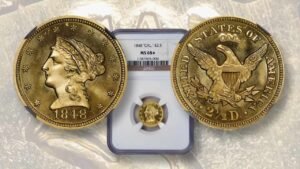
The 1933 Double Eagle is arguably the most famous American coin ever produced. Minted during the Great Depression, nearly all examples were ordered melted before entering circulation when the U.S. abandoned the gold standard.
Only a tiny number survived.
Why It’s Worth Millions
- Extremely limited surviving examples
- Legal battles over ownership increased its mystique
- Stunning design by Augustus Saint-Gaudens
- Strong global demand
One authenticated specimen sold for over $18 million, making it one of the most expensive coins ever auctioned.
For collectors, it represents more than gold—it symbolizes a turning point in U.S. financial history.
2. 1794 Flowing Hair Silver Dollar
America’s First Silver Dollar
Believed to be among the first silver dollars struck by the United States Mint, the 1794 Flowing Hair Dollar marks the birth of federal coinage.
With Lady Liberty’s flowing hair on the front and an early eagle design on the back, it reflects the young nation’s identity.
Why Collectors Pay $10+ Million
- Historic importance as one of the first U.S. silver dollars
- Extremely low surviving population
- High-grade examples are exceptionally rare
- Intense demand from museums and elite collectors
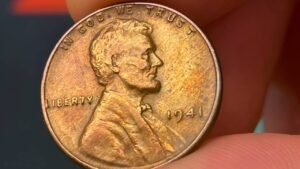
A well-preserved specimen has sold for over $10 million.
Original surfaces, natural toning, and minimal wear significantly increase value.
3. 1913 Liberty Head Nickel
The Coin That Was Never Supposed to Exist
Production of Liberty Head nickels officially ended in 1912. Yet somehow, five coins dated 1913 mysteriously appeared.
To this day, their origin remains debated.
Why It’s So Valuable
- Only five known examples
- Famous backstory and mystery
- High media attention
- Strong collector competition
Each time one appears at auction, it creates headlines. Past sales have exceeded $3 million, and private deals may be even higher.
In rare coin collecting, story and scarcity combine to drive price.
Why These Coins Command Extreme Prices
All three coins share key traits:
- Ultra-low supply (single digits or very limited survivors)
- Major historical significance
- Strong condition and certification
- Global collector demand
Professional grading is essential in this market. Even a one-point difference in grade can mean millions of dollars in price difference.
Can Rare Coins Really Fund Early Retirement?
In rare cases—yes.
But it’s important to understand:
- These coins are exceptionally rare
- Discoveries are extremely unlikely
- Most coins are worth face value
That said, valuable coins still surface in:
- Estate collections
- Inherited albums
- Old safe deposit boxes
If you believe you’ve found something rare:
- Do not clean it
- Store it safely
- Seek professional authentication
Quick Comparison Table
| Coin | Record Price | Known Examples |
|---|---|---|
| 1933 Double Eagle | $18M+ | Very few |
| 1794 Silver Dollar | $10M+ | Limited survivors |
| 1913 Liberty Nickel | $3M+ | 5 known |
FAQs
1. Are these coins still legal to own?
Yes, but ownership rules vary—especially for the 1933 Double Eagle. Always verify provenance.
2. How do I know if my coin is valuable?
Check date, mintmark, rarity, and condition. Professional grading is the safest confirmation.
3. Should I clean an old coin?
No. Cleaning can permanently reduce value.
4. Are rare coins a good investment in 2026?
They can be a strong long-term asset, but require research, patience, and diversification.
5. Can valuable coins still be found in circulation?
Extremely rare—but lower-value collectible coins are occasionally discovered.
Final Thoughts: Dream Big, Collect Smart
Retiring early from a rare coin discovery is possible—but highly uncommon. The 1933 Saint-Gaudens Double Eagle, 1794 Flowing Hair Silver Dollar, and 1913 Liberty Head Nickel prove that small pieces of metal can hold enormous value.
Whether you’re a beginner or serious investor, education and careful research are your best tools. Check your collection, protect what you own, and always verify authenticity before making major decisions.
History doesn’t just tell stories—it sometimes builds fortunes.